Archive
UK Economy – how can it improve?
Javier Milei, the recently elected libertarian president of Argentina, promotes principles rooted in economic liberalism, including reduced government intervention, deregulation, free markets, and fiscal discipline. While the UK’s context differs significantly from Argentina’s—both politically and economically—the Conservative Party could draw inspiration from Milei’s principles to address challenges in the UK economy. Here are potential applications:
1. Reducing Government Size and Spending
Milei’s Approach: Advocates for a drastic reduction in government size and bureaucracy to curb excessive spending.
UK Application:
Streamline public services to reduce waste and inefficiency.
Target welfare reform by focusing on incentivizing work rather than long-term dependency.
Privatize or outsource underperforming government-owned entities.
2. Tax Reform and Deregulation
Milei’s Approach: Supports lower taxes to encourage investment and stimulate economic growth.
UK Application:
Simplify the tax system to make it more competitive globally, particularly for businesses.
Reduce regulatory barriers for small and medium enterprises (SMEs) to foster entrepreneurship and innovation.
3. Monetary Policy Reforms
Milei’s Approach: Proposes dollarization in Argentina to stabilize the economy.
UK Application:
While dollarization isn’t relevant for the UK, maintaining strict monetary discipline by supporting Bank of England independence and ensuring inflation targets are met is key.
Introduce incentives for saving and investment to counter inflationary pressures.
4. Free Trade and Market Liberalization
Milei’s Approach: A staunch advocate for free trade and competition.
UK Application:
Expand trade agreements post-Brexit to open up new markets.
Reduce tariffs and trade barriers to boost exports.
Continue to create more Freeport zones to attract foreign direct investment (FDI).
5. Decentralization
Milei’s Approach: Promotes decentralizing power to reduce corruption and inefficiency.
UK Application:
Empower local governments to manage budgets and drive regional growth.
Enhance regional investment strategies to reduce the economic gap between London and other areas.
Challenges to Consider
Political Culture: The UK has a robust welfare state and public expectation of government support, which might resist drastic reforms.
Economic Stability: The UK does not face the hyperinflation and economic instability of Argentina, so applying Milei’s principles requires adaptation to avoid unintended consequences.
Public Opinion: Radical libertarian policies may not align with voter expectations in a mixed economy like the UK.
By adapting these principles selectively and within the UK’s unique socio-political context, the Conservative Party could leverage Milei-inspired reforms to reinvigorate economic growth, foster innovation, and solidify their position as stewards of fiscal responsibility.
#UKEconomy#Argentianmodel
Post Pandemic Britain – ECONOMY
Economy
The Corona virus pandemic has had a substantial impact on the UK economy, costing hundreds of British people their jobs and forcing several sectors to come to a complete standstill. The Office of Budget Responsibility (OBR)1 estimated the outbreak could result in over two million job losses and cause the economy to shrink by 35%.
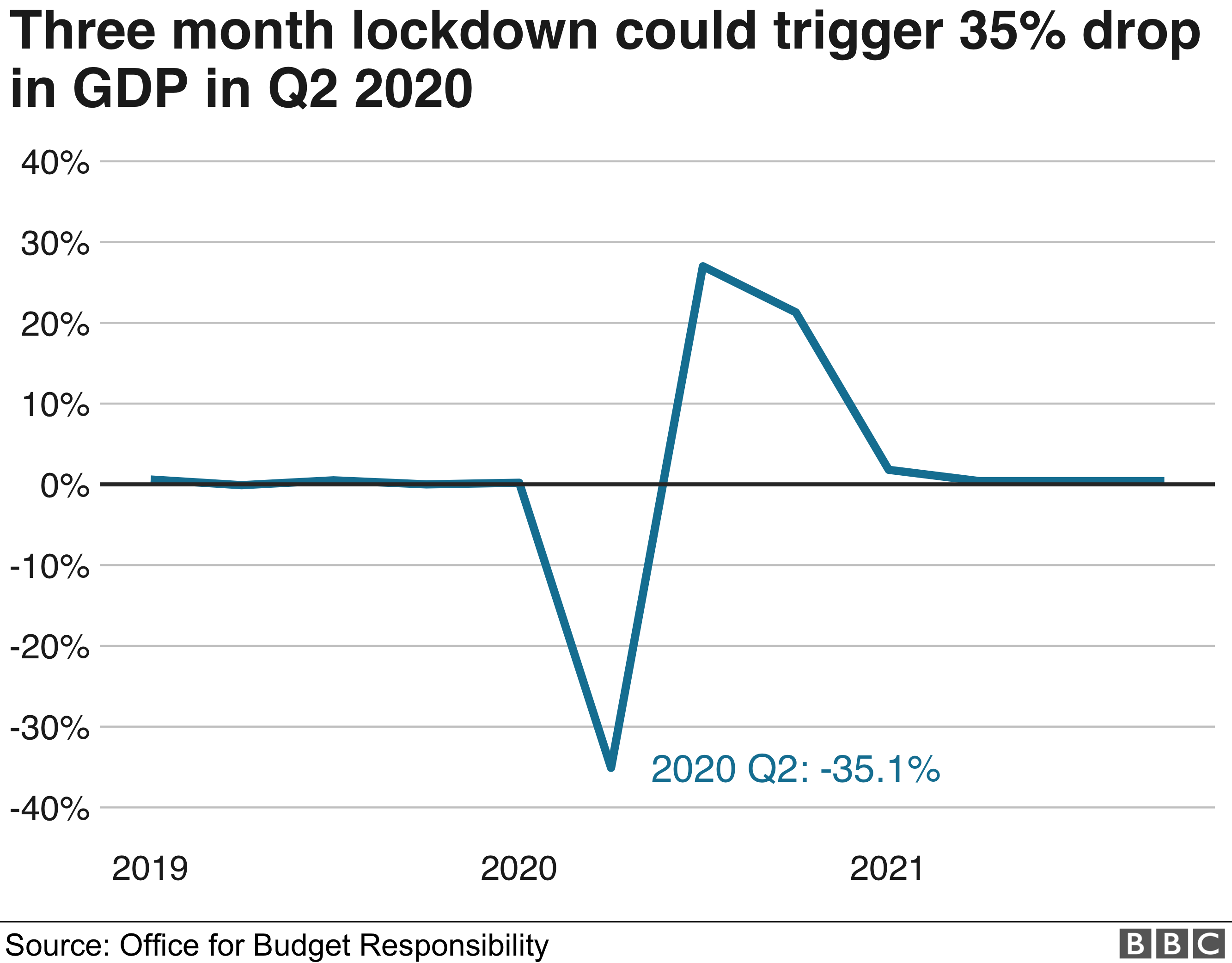
Many businesses have had to close with hundreds of thousands unable to work. While the UK government has produced unprecedented loan and pay schemes to keep companies in business and workers on the payroll, it is unavoidable that numerous people will become unemployed and many businesses may never open again.
A feature of the last decade has been the rise of self-employment, including gig economy workers. About 15% of workers now work for themselves, most of them operating alone. Many earn little and lack access to the traditional safety net, including sick pay and the national minimum wage. The self-employed have suffered more than the employees in terms of real income losses2.
The lockdown is having the biggest impact on the young, low-paid and female workers, according to a recent research from the Institute for Fiscal Studies3.
Many low-income households will struggle to make ends meet. Citizens Advice – a charity which provides guidance on jobs, welfare and debt management, had over two million website views in a week. The most viewed page being “Advice on what to do if you can’t pay your bills?”. 
After the lockdown is lifted, some businesses may snap back to how they used to operate before, but with changing habits it will create a demand for new products and services. For example, many may continue to work from home, whilst the delivery of goods and services online may see a sustained increase4.
The Chancellor, Rishi Sunak, has introduced schemes in which the state will pay 80% of the salary of the workers who would otherwise be laid off by their employers, up to £2,500 per month5.
It’s a difficult conundrum which not only the UK government but the rest of the world will try to address over the coming months and years.
READ MY NEXT BLOG – POST PANDEMIC BRITAIN – Effect of Pandemic on Mental & Physical Health
References
- https://obr.uk
- Bloomberg – https://www.bloomberg.com/news/articles/2020-04-06/how-low-u-k-unemployment-masked-holes-exposed-by-virus-pandemic
- https://www.bloomberg.com/news/articles/2020-04-05/u-k-lockdown-hits-young-low-paid-and-women-most-study-finds
- https://www.techuk.org/insights/opinions/item/17224-covid-19-what-does-it-mean-for-the-economy
- https://www.ft.com/content/973dc0c0-6ae4-11ea-800d-da70cff6e4d3
 Bakul Kumar